
You can stand beside a peace wall in Belfast, read names on a memorial garden, and still miss the real story if nobody helps you place it in context. That is the challenge with how to explore Troubles history. The sites are here, the murals are here, and the city’s scars and progress are visible, but understanding what happened – and why it still matters – takes more than ticking off landmarks.
Belfast is not a museum piece. It is a living city where people built lives through conflict, loss, political change and uneasy peace. If you want more than a quick photograph beside a famous mural, the best approach is to treat this history with patience, curiosity and respect.
How to explore Troubles history without reducing it to symbols
Many visitors arrive with a few familiar reference points: the IRA, loyalist paramilitaries, Bloody Sunday, hunger strikes, peace walls and the Good Friday Agreement. Those are part of the story, but they are not the whole story. The Troubles were not one event or one argument. They were a long, bitter conflict shaped by identity, civil rights, policing, segregation, politics, British and Irish relations, and the everyday reality of fear.
That means the first step is simple. Do not look for a single neat explanation. If someone presents this history as entirely one-sided, they are usually giving you a version that is too narrow to be trusted.
A balanced perspective matters because Belfast itself is full of competing memories. The same street can carry different meanings depending on who lived there, what they experienced and what they lost. Good interpretation does not flatten those differences. It explains them clearly and honestly.
Start with place, not just dates
Reading about The Troubles before you travel is helpful, but Belfast makes most sense when you see how geography shaped the conflict. Neighbourhoods, interfaces, roads, walls and housing patterns all tell part of the story. This is one reason the city affects people so strongly. The history is not hidden away in one building. It sits in the landscape.
West Belfast is often where visitors begin, and for good reason. Republican and loyalist mural areas, peace lines and memorials reveal how communities expressed identity, grief and resistance. Yet these places should not be treated as open-air backdrops for sensational stories. They are residential areas with ongoing meaning for local people.
Seeing these sites in person helps you grasp something books often struggle to convey: the conflict was lived street by street. Distances are short. Communities were close together, and yet divided by politics, religion, security measures and mistrust. Once you see that, Belfast’s history becomes much more tangible.
Choose guided context over guesswork
If you are serious about how to explore Troubles history, guided interpretation is usually the difference between seeing Belfast and understanding it. Self-guided wandering can work for some visitors, especially those with a strong grounding in Northern Irish history, but most people will miss the nuance.
A knowledgeable local guide can explain why a mural changed, what a particular district represented at a certain point, how internment affected communities, or why peace walls remain standing despite the peace process. Those details matter. Without them, visitors often come away with a patchwork of half-understood facts.
The strongest guides do more than recite dates. They connect political developments to ordinary lives. They explain the language people used, the fears they carried, and the way history is still debated today. That kind of storytelling is especially valuable in Belfast, where lived experience often says more than a textbook paragraph.
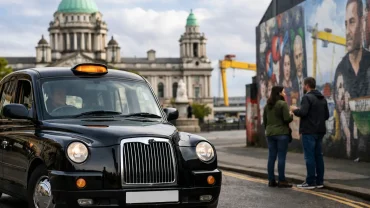
For many visitors, a private black taxi tour is the clearest way to do this. It allows you to move comfortably between key locations, ask direct questions and hear authentic stories in a setting that feels personal rather than rushed. A company such as Belfast Black Taxi Tour also offers something important for this subject – a balanced local perspective shaped by people who know the history from more than one side of the community divide.
Visit key sites, but know what each one can and cannot tell you
Some places are essential because they anchor the story. Murals and peace walls are obvious starting points, but they should be paired with sites that broaden your understanding.
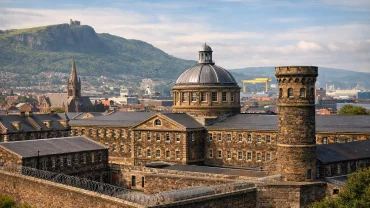
Crumlin Road Gaol, for example, opens a different window onto conflict, punishment and political imprisonment. It is an important stop, though like any heritage site it gives one angle rather than the full picture. Memorial gardens can be moving and informative, but they often reflect one community’s memory. Political districts offer atmosphere and symbolism, yet they can sometimes lead visitors to focus too heavily on visual drama.
This is where trade-offs come in. If you only visit headline locations, you may leave with a strong emotional impression but limited depth. If you spend all your time in museums and archives, you may miss the lived geography that made the conflict so immediate. The most useful approach combines both.
Give yourself enough time
One mistake visitors make is trying to fit the whole story into an hour between lunch and a pub booking. The Troubles touched decades of Northern Irish life. You do not need to become an expert overnight, but you do need enough time to let the history breathe.
A short tour can absolutely introduce the subject, especially if it is well led. But if this is a major reason for your visit, allow time for a proper conversation, not just a whistle-stop route. Ask questions. Pause at sites. Take in the details of the city beyond the most photographed murals.
It also helps to leave space afterwards. Belfast often prompts reflection. Visitors are sometimes surprised by how emotionally direct the stories feel once they are attached to real places and real people.
Expect complexity, not comfort
People often want a tidy moral map with obvious heroes and villains. Conflict rarely offers that. There were clear injustices. There was terrible violence. There were state failures, paramilitary campaigns, trauma across communities and generations of anger. But there were also internal disagreements, changing political strategies and differing experiences within both nationalist and unionist areas.
To explore this history properly, be prepared to hear things that complicate your assumptions. That is not a weakness in the story. It is the story.
A good guide will help you hold that complexity without making the subject feel inaccessible. The aim is not to overwhelm you with every detail. It is to help you understand enough context to read Belfast more clearly – its murals, its divisions, its humour, its resilience and its peace process.
Be respectful when photographing and asking questions
Visitors are welcome in Belfast, and most people appreciate genuine interest. Still, this is not neutral ground in the way a castle or coastal viewpoint might be. Some sites relate directly to deaths, imprisonment, trauma and unresolved memory.
Photographing murals is generally expected, but use common sense around memorials and residential streets. If you are with a guide, follow their lead. Ask questions freely, but ask them with care. Most local guides are used to difficult questions and will answer them honestly if they are asked in good faith.
Respect also means avoiding the temptation to turn conflict into entertainment. Belfast has plenty of craic, and the city’s warmth is real, but the history deserves a steadier tone.
Read the city as it is now
Part of understanding The Troubles is recognising that Belfast today is not trapped in the past. The city has changed enormously. It is creative, energetic, welcoming and full of people building something different from what came before. Yet the past has not vanished. Peace walls remain. Segregation still shapes some areas. Political language still carries weight.
That tension between change and continuity is worth paying attention to. It explains why modern Belfast feels so distinctive. You are not visiting a place that has forgotten. You are visiting a place still working things out.
This is why present-day observation matters as much as historical background. Watch how neighbourhoods sit beside one another. Notice where barriers remain. Listen to how people speak about identity, place and progress. The city itself is part of the lesson.
How to explore Troubles history if you only have one day
If time is tight, focus on depth over coverage. A well-planned guided tour through the main political areas will usually give you more understanding than trying to fit in every major attraction. Choose an experience that explains both republican and loyalist perspectives, includes the peace walls and murals, and gives you room to ask your own questions.
Afterwards, spend time walking in the city centre and letting the contrast sink in. Belfast’s modern shops, restaurants and public spaces make more sense once you understand what the city has come through.
If you have longer, add a prison or museum site and give yourself an evening to reflect. This is history best absorbed in layers.
The most rewarding way to approach Belfast is with open eyes and a bit of humility. You do not need to arrive as an expert. You only need to be willing to listen carefully, hold more than one truth at once, and let the city speak in its own voice.

Comment (0)