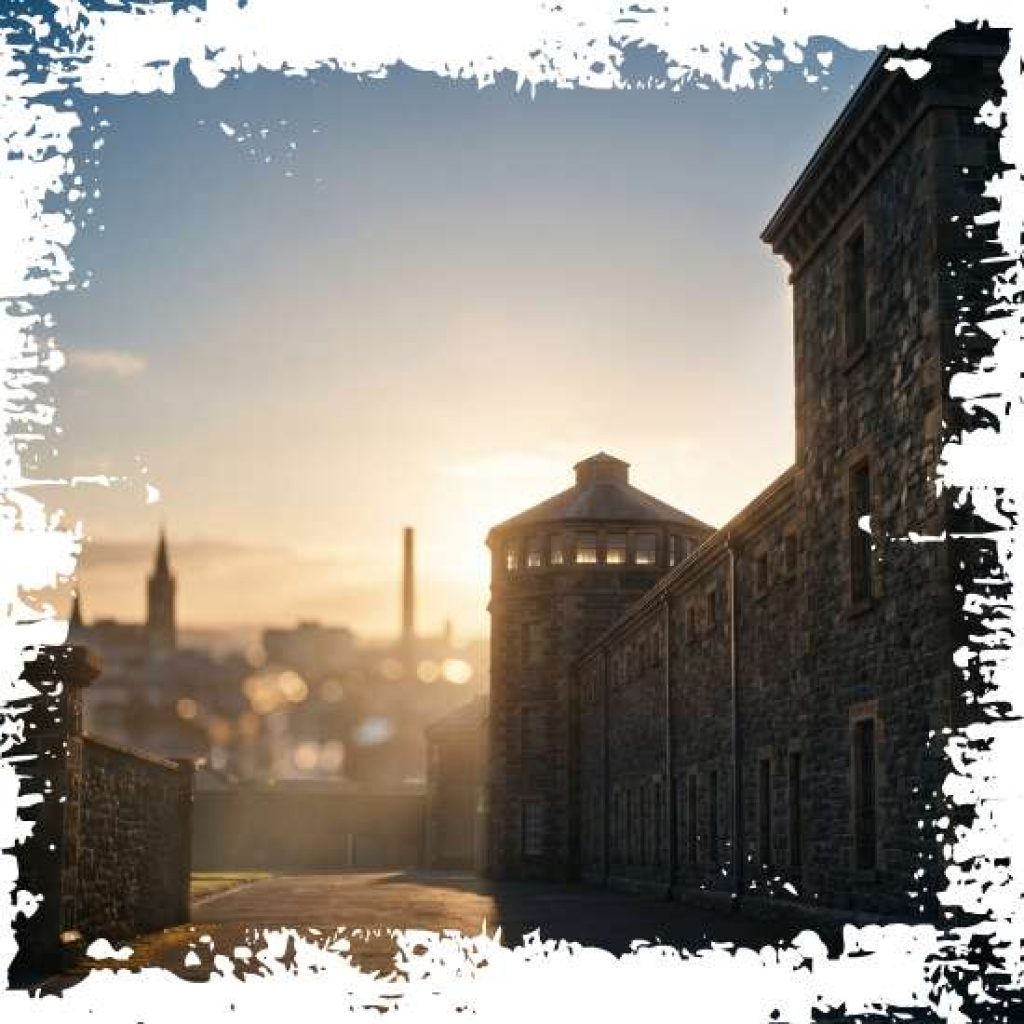
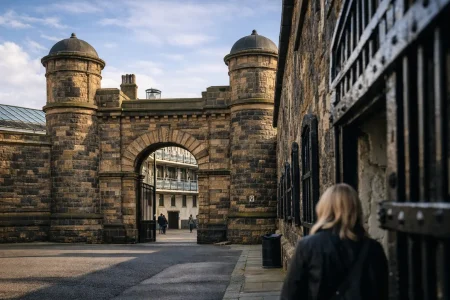
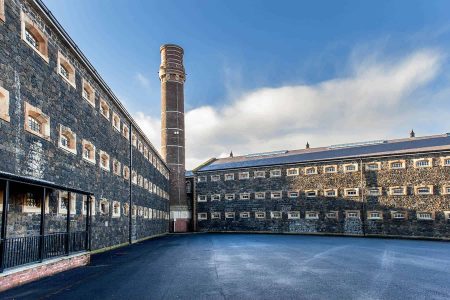
Crumlin Road Gaol stands as one of the most significant Victorian landmarks in Northern Ireland. Designed by the celebrated architect Sir Charles Lanyon, this imposing structure first opened its gates in 1846.
Lanyon utilised a revolutionary radial design for the prison wings, heavily influenced by London’s Pentonville Prison. This innovative layout allowed guards to monitor multiple corridors from a single central point. Known locally as ‘The Crum’, the gaol remains a fascinating example of nineteenth-century penal architecture. The use of dark basalt stone gives the building a formidable presence that still dominates the Belfast skyline today.
Visitors to the site can appreciate the intricate stonework and the functional beauty of Lanyon’s original vision.
Inside the Walls: 150 Years of Incarceration
For over a century and a half, these walls bore witness to the most turbulent periods of Belfast’s history. The prison housed a diverse range of inmates, including men, women, and even children as young as ten.
Its historical significance spans from the Victorian era through to the suffragette movement and the dark days of the Troubles. Many high-profile political figures were held within its secure wings before the facility finally closed in 1996. Walking through the narrow corridors offers a haunting insight into the daily lives of those who were once confined here.
The site serves as a physical timeline of the evolution of the justice system in Northern Ireland. Every cell tells a different story of struggle, resilience, and the harsh realities of prison life.
Exploring the Shadows: The Tunnel and Execution Chamber
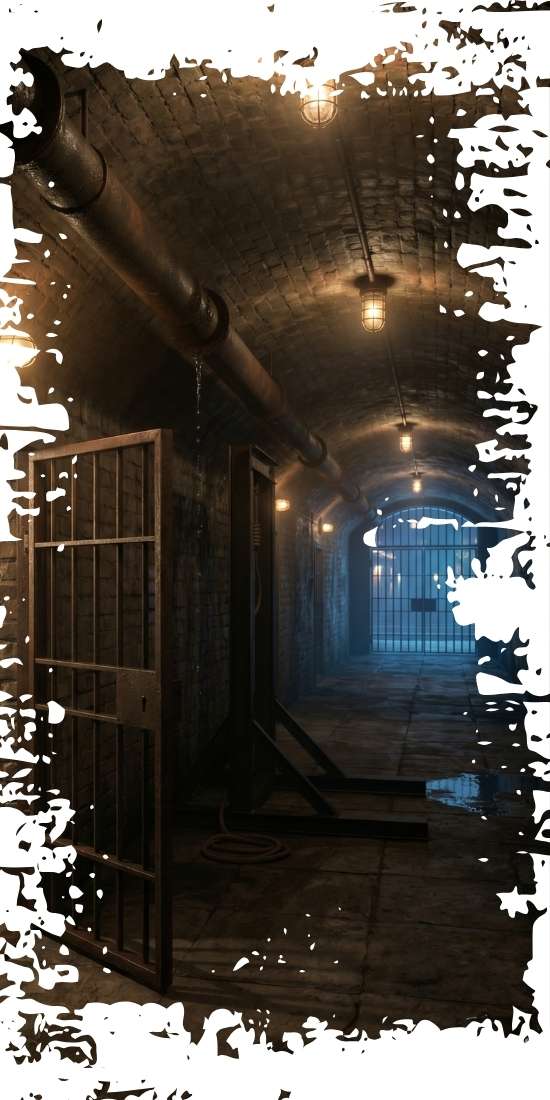
One of the most atmospheric features of Crumlin Road Gaol is the chilling underground tunnel. This subterranean passage connects the prison directly to the derelict Crumlin Road Courthouse situated across the street. It was designed to transport prisoners safely and discreetly between their trials and their cells.
Deep within the heart of C-Wing lies the infamous condemned man’s cell. This small room was the final resting place for prisoners awaiting their sentence in the adjacent execution chamber. Seventeen men were executed within the prison walls, and many are still buried in unmarked graves along the perimeter.
These darker elements of the gaol’s history provide a sobering look at the consequences of the past.
Experience Belfast's History in Unrivalled Luxury
Planning a visit to this iconic landmark is an essential part of any comprehensive Belfast sightseeing tour. Rather than navigating the city in a standard vehicle, we offer a more refined way to explore our heritage.
At Belfast Black Taxi Tour, we have traded the traditional taxi for a fleet of premium Mercedes-Benz Vito vehicles. Our luxury transport provides a spacious and comfortable environment for you and your group to relax between stops. Our expert guides will share captivating local stories that bring the history of Crumlin Road Gaol to life. By choosing a bespoke private tour, you ensure a personalised experience that focuses on the sites you care about most. Contact us today to book your ultimate historical journey through the heart of Belfast.
Explore Belfast’s powerful history on this Crumlin Road Gaol and Belfast murals tour, combining iconic political murals, local stories, and a visit to the city’s famous historic prison.
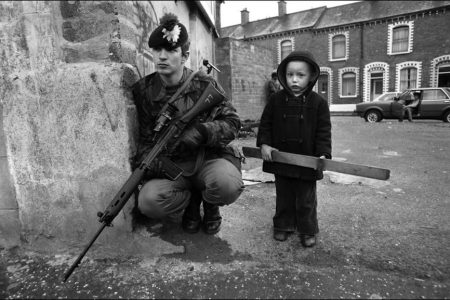
The Troubles were an ethno-nationalist conflict in Northern Ireland that lasted for about 30 years from the late 1960s to 1998. Also known internationally as the Northern Ireland conflict, it began in the late 1960s and is usually deemed to have ended with the Good Friday Agreement of 1998.
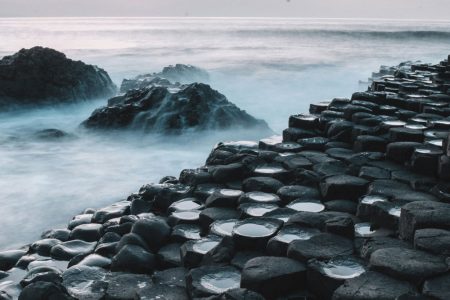
The Giant’s Causeway, located on the North Antrim coast in Northern Ireland, is a UNESCO World Heritage site renowned for its ~40,000 interlocking basalt columns formed by volcanic activity 60 million years ago
History in Belfast isn't found in a textbook; it is written on our walls. Step beyond the headlines on an authentic Black Taxi Tour, explore world-famous murals, and hear the real stories of The Troubles from the local guides who lived them.